



CEOs,
C-Suite Executives,
Emerging Corporate Leaders,
Senior Public Sector Leaders, &
Business Owners

3-day leadership retreat

25 - 35 pax

- Power of Transformation
- Profiling for Influence & Change
- AI : From Individual Productivity to Business Transformation
- Redesigning Organisations for the Age of AI






Getting here (by road):
From Kuala Lumpur City Center 45 minutes
From Kuala Lumpur International Airport 1 hour 45 minutes
Hotel Contacts: + 609 221 3888 (Front Office)
 sales@thechateau.com.my

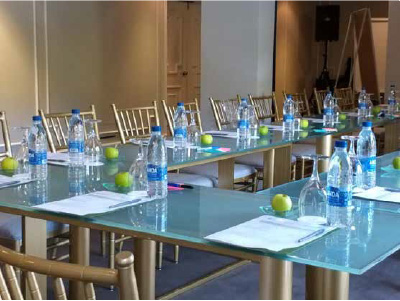
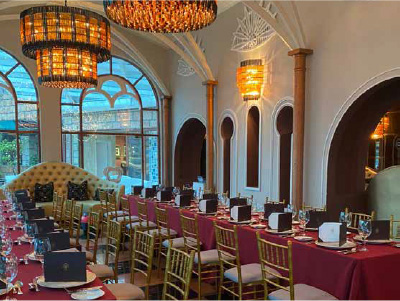
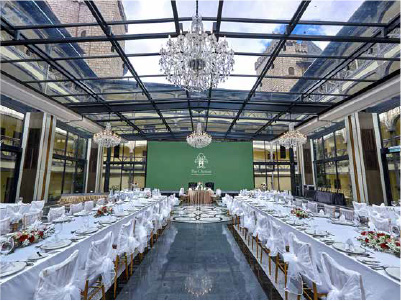



This programme is fully HRDCorp-Claimable


At INSEAD, our mission is to develop responsible leaders with the knowledge and skills to transform business and society. We strive to educate and engage leaders to deliver prosperity while understanding that business must be employed as a force for good.

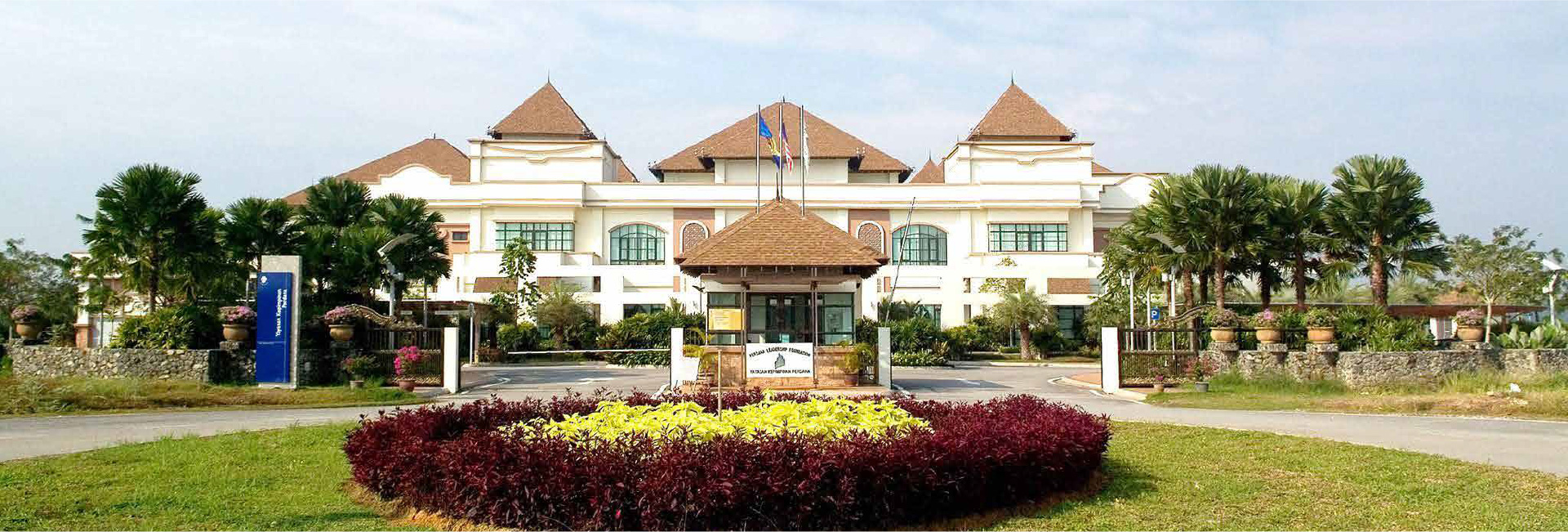
Perdana Leadership Foundation was chartered in January 2003 as a private, non-profit organisation with a public purpose: preserving, researching, and disseminating materials by and on Malaysia’s past Prime Ministers. Premised on the belief that past leadership can yield valuable insights for present and future leaders, the Foundation’s objective is to increase awareness and deepen understanding of Malaysia’s history and leadership legacy. The Foundation also seeks to develop leadership skills and capacity through its programmes and initiatives.
The Foundation regularly organises forums, roundtables, and discourses centred on issues related to leadership, nation-building, and economic development. One of its flagship programmes is the CEO Forum which gathers corporate leaders, senior government officials, and business executives to discuss business and economic issues of the day.
The Foundation is home to the Perdana Library which contains 12,000 physical titles and more than 290,000 digital documents, including speeches, policy papers, and articles related to Malaysia’s development journey. The Foundation is governed by a Board of Trustees chaired by Tan Sri Azman Hashim, Chairman Emeritus of AmBank Group.


We are free from any dominant culture or prevalent dogma; we are open to, and respectful of, other views; we learn through the exchange of ideas and experiences.

We believe in intellectual freedom and are autonomous in our financial, institutional and academic planning and decision-making process.

We encourage diversity in research and teaching methods with no single school of thought or methodology predominating; what matters is rigor and impact on management as an academic discipline, on business practice, and in the classroom.

We partner with the international business community to explore and disseminate management knowledge; we believe in the role of business as a force for improving people's lives.

We are willing to experiment and innovate; we are ready to take risks and manage the results of our actions.


 EMAIL
EMAIL
programmes@perdana.org.my
 PHONE
PHONE
03-8885 8965 (Ms Maizatul)
03-8885 8960 (Ms Humaira)