Bernama – Younger Generation Has No Reason Not To Read – Dr Mahathir

May 15, 2012 in Articles, Media, Tun Dr. Mahathir

*David Maxwell for The New York Times


May 14, 2012


KUALA LUMPUR, May 14 (Bernama) — Tun Dr Mahathir Mohamad who has been named as the National Reading Icon said the younger generation is now surrounded with advanced tools like the tablet as such had no reason not to read.
Read the rest of this entry →

The Economist – HISTORY FLUSHED

April 27, 2012 in Articles, Books etc, Perdana Library, Spotlight

April 27, 2012

The digital age promised vast libraries, but they remain incomplete

IN 1086 William the Conqueror completed a comprehensive survey of England and Wales. “The Domesday Book”, as it came to be called, contained details of 13,418 places and 112 boroughs—and is still available for public inspection at the National Archives in London. Not so the original version of a new survey that was commissioned for the 900th anniversary of “The Domesday Book”. It was recorded on special 12-inch laser discs. Their format is now obsolete.

Read the rest of this entry →

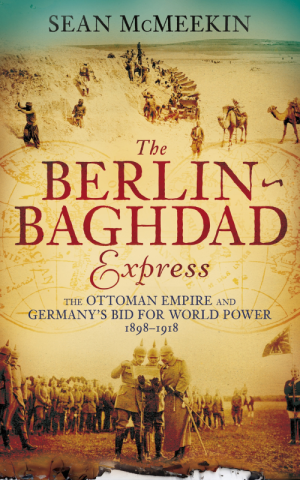
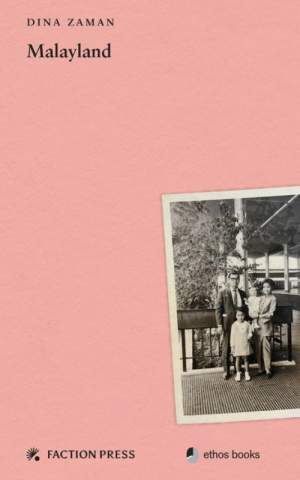
What’s new at Perdana Library: January & February 2012

March 29, 2012 in Articles, Books etc, Perdana Library, PLF News, Resource Centre

Click here to read the book synopsis.

Sinar Harian – Menjadi hebat dengan membaca

March 21, 2012 in Articles, Books etc

*Image from fuelyourwriting.com

Mac 21, 2012 | Oleh NORDEN MOHAMED

Ada kepuasan yang berbeza apabila kita membaca buku berbanding dengan membaca majalah mahupun akhbar. Dengan kita membaca akhbar, kita memperoleh lebih banyak berita daripada maklumat.

Kerencaman kandungan akhbar dan pendeknya sesebuah berita itu menjadikan kita dapat menghabiskan bacaan sesebuah akhbar dalam waktu singkat. Kepuasan membaca pun sedikit.

Apabila kita membelek majalah pula, keseronokan membaca kita bertambah berbanding membaca akhbar. Selain daripada berita, majalah memaparkan maklumat yang boleh dijadikan pengetahuan. Artikel-artikel yang dipaparkan juga lebih panjang dan justeru itu menjadikan minda kita lebih terisi.

Membaca buku pula memberikan kita kepuasan yang maksima. Tidak kira sama ada kita membaca buku hardcopy ataupun e-book, membaca buku adalah kegiatan maraton berbanding dengan majalah yang dianggap sebagai senaman minda untuk jangka waktu yang pendek atau membaca akhbar yang lebih singkat masa bacaannya.

Panjangnya tempoh membaca sesebuah buku itu menjana kelestarian minda. Kondisi ini amat memuaskan. Apakah kepuasan itu? Kepuasannya ialah apabila kita dapat mengadakan hubungan psikik dengan si penulis buku itu. Apabila seseorang penulis hendak menghasilkan bukunya, dia harus melalui proses yang rumit dan mengambil masa.

Penulis yang hendak menghasilkan sesebuah buku biasanya mempunyai sesuatu idea, gagasan, teori atau penemuan besar yang ingin disampaikannya kepada khalayak. Sebelum menulis, dia akan melakar konsep dan idea buku yang ingin ditulisnya. Idea dan konsep ini akan disusun dari mula hingga akhir.

Dia akan mengumpul bahan-bahan penyelidikan dan rujukan yang digaul menjadi manuskrip ilmiah mahu pun fiksyen. Untuk melakar ideanya, si penulis perlu menumpahkan apa yang ada di dalam fikirannya ke skrin komputer. Pastinya idea yang terzahir ini akan disemak dari segi kesahihan fakta, kesinambungan idea, kelogikan pendapat yang kemudiannya diuli dan disusun menjadi ayat yang mudah difahami oleh pembaca. Kemudian, manuskripnya akan disemak dan disunting oleh editor daripada segi ketepatan fakta dan kesinambungan idea.

Akhirnya, apabila sesebuah buku itu lahir, ia merupakan satu rantaian minda penulis yang biasanya dapat diikuti secara linear dari halaman pertama sehinggalah halaman yang terakhir. Bayangkan. Seseorang penulis itu mungkin mengambil masa bertahun untuk menyiapkan sesebuah buku. Ideanya yang rencam, dikumpul menjadi rencah tulisan yang diadun, diperam dan disaring. Hanya pati ideanya sahaja dipersembahkan dalam bentuk sebuah buku. Kita sebagai pembaca boleh dengan mudah menghazam inti fikirannya yang dikumpul bertahun lamanya dalam masa sehari!

Ketika membaca karya seseorang penulis, kita seolah-olah mengembara dan menyelami minda dan hatinya. Meskipun si penulis telah meninggal dunia, kita masih dapat belajar daripadanya. Andainya sebuah buku karyanya dibaca, kita memperoleh sebahagian daripada pemikirannya. Sekiranya kita membaca dua atau tiga atau lebih buku karya seseorang penulis itu, ia bererti kita memperoleh pemikiran si penulisnya.

Bayangkan, jika kita membaca Al-Muqqadimah karya Ilmu Khaldun, kita memahami ilmu falsafah sejarah daripadanya. Andainya kita membaca pula buku Roh, karya Ibnu Qayyim, seorang ilmuwan Islam, kita belajar mengenai roh daripadanya.

Buku Lateral Thinking oleh Edward de Bono, A Brief History of Time oleh Stephen Hawking, The Art of War oleh Sun Tse, adalah mengenai teknik berfikir, fizik dan seni peperangan. Apakah maknanya apabila kita sudah membaca kesemua buku-buku ini? Ia bererti, di dalam diri kita sudah ada pemikiran Ibnu Khaldun, Ibnu Qayyim, Edward de Bono, Stephen Hawking dan Sun Tse setelah kita membaca buku-buku mereka.

Setakat ini, berapa buah bukukah yang kita telah baca? Andainya seratus buah oleh penulis yang berbeza, ia bererti, pendekatan pemikiran kita adalah rangkuman daripada pemikiran 100 orang manusia. Bijakkah kita? Kita bijak jika kita berhati-hati memilih buku yang ingin dibaca. Andainya kita memilih karya-karya para ilmuan yang hebat, maka kita juga akan punyai pemikiran yang hebat.

Sebaliknya, andainya kita memilih bahan bacaan yang mudah dan ringan, maka cara berfikir kita pun mudah dan ringan. Jadilah orang yang punyai fikiran yang hebat, bukan berkarat.


* Layari http://www.maafcakap.blogspot.com untuk membaca artikel-artikel sebelum ini.

Source:http://www.sinarharian.com.my/kolumnis/menjadi-hebat-dengan-membaca-1.33911

The Telegraph – British Library newspaper archive puts 300 years of history online

February 10, 2012 in Articles, Books etc, Perdana Library, Resource Centre, Spotlight

A front page from 1887 of the Police News is now available online. Photo: POLICE NEWS

November 29, 2011 | By , Digital Media Editor

Sixty-five million historic newspaper articles, covering the most significant events over the last 300 years, are now fully available online from today in a new archive created by the British Library.

People will now be able to search the ‘British Newspaper Archive’, which is made up of four million pages – containing articles from local and regional papers going back to 1700, for details about members of their family who may have been eminent in their local communities hundreds of years ago.

The launch of the archive is the first time people will be able to digitally access and search through millions of newspaper articles from the comfort of their homes. Up until now, people have had to travel to the British Library newspaper depository in Colindale, North London, to access the entire collection of 200 local and regional newspapers.

Highlights of the vast collection include gems such as vivid accounts of General Garibaldi’s UK visit to a “magnificent reception at Crystal Palace”, published in the Dundee Courier on April 18 1864, and the creation of the phonograph by Thomas Edison, in the North Wales Chronicle on December 1, 1877.

Ed King, head of the British Library’s newspaper collections, said: “People will find this archive extraordinary on both a personal and historical level. For the first time people can search for their ancestors through the pages of our newspapers wherever they are in the world at any time.

“But what’s really striking is how these pages take us straight back to scenes of murders, social deprivation and church meetings from hundreds of year ago, which we no longer think about as we haven’t been able to easily access articles about them.”

The archive also features hundreds of letters from soldiers in varying war zones, which were published in local papers as a way of bringing attention to their needs and informing people about life at war. One such letter, published in The Reading Mercury on January 27, 1855, was from a soldier fighting in the Crimean War begging for food to be sent to him as the British army’s supplies had dwindled to record lows.

However, anyone wishing to fully access the newspaper archive will have to pay to do so. People can search the site for free but will need to pay either £6.95 for 48 hour access; £29.95 for 30 days or £79.95 for an annual subscription. Once logged in, users can download a pdf of a particular page to keep forever. The archive can be accessed for free in the British Library’s Reading rooms.

The digitisation project, which started last year, will take 10 years to complete, with a total of 650 million articles on 40 million web pages expected to be in the finished archive by 2020. British company Brightsolid, which also owns Friends Reunited and Genes Reunited, is responsible for digitising the archive – a painstaking process as much of it needs to be done by hand as so many of the pages of the newspapers are too fragile to be processed by machines.

Ed Vaizey, the Minister for Culture, Communications and Creative Industries, praised the project, saying: “The British Newspaper Archive is a rich and hugely exciting resource, packed with historical detail. It’s a great example of the public and private sectors collaborating to deliver something that neither party could have delivered by themselves. I searched for my own constituency of Wantage and within seconds had 42,000 results – an indication of the breadth and variety of material featured. I’m delighted that the British Library and Brightsolid are working together to transform access to the nation’s published memory.”

News Link