

Staff’s Name: Muizzuddin Munir
Book Title: The Mosque: History, Architectural Development & Regional Diversity
Author: Martin Frishman & Hasan-uddin Khan
Publisher: Thames and Hudson
Year of Publication: 2002

Official Synopsis:
This book, with contributions by 16 eminent scholars, traces the history and development of the mosque since its origins in Medina in the time of the Prophet Muhammad, explaining its traditional religious and teaching role in Muslim society, as well as its architectural and decorative features. The historical development of the mosque and its architecture is presented region by region, from North Africa to Southeast Asia, taking into account local building materials, climatic factors, and craft skills, as well as the cultural influences and major political developments, such as the rise of the Ottoman and Mughal Empires. The physical form of the mosque is analysed and fully illustrated with plans and photographs; its modern role as a religious and social institution is reviewed; and contemporary mosques worldwide are discussed in a separate chapter, encompassing not only those built by leading Muslim architects, but also those designed by Western architects. Illustrated with much unfamiliar pictorial material drawn from a wide range of sources, this book provides a comprehensive coverage of the architecture of the mosque and also serves as a guide to an understanding of its role in Muslim society and culture.
Comments:
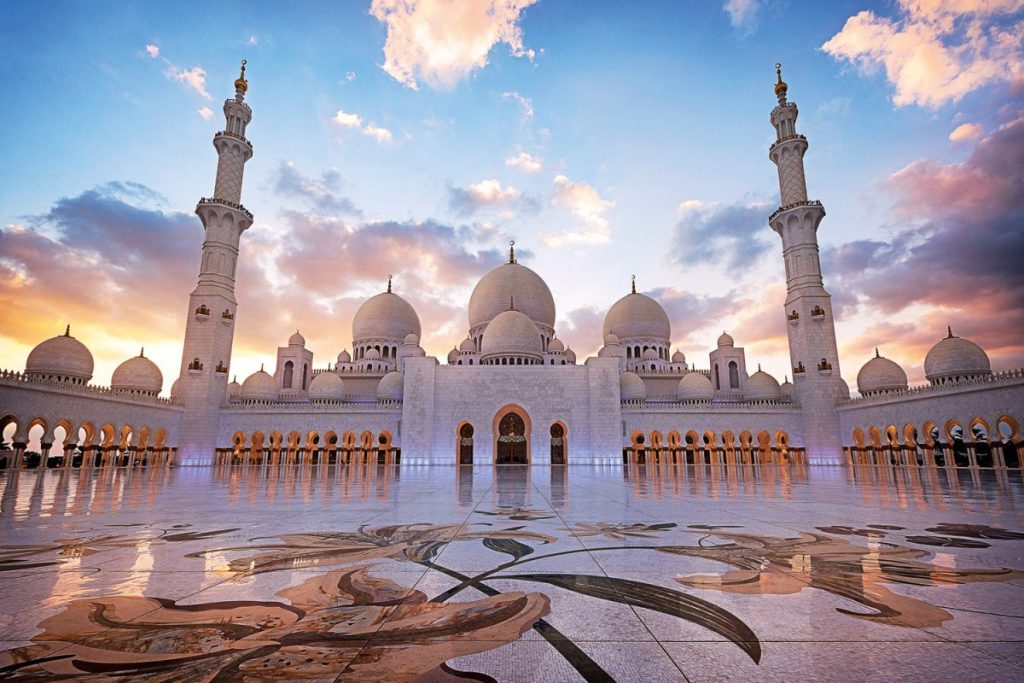
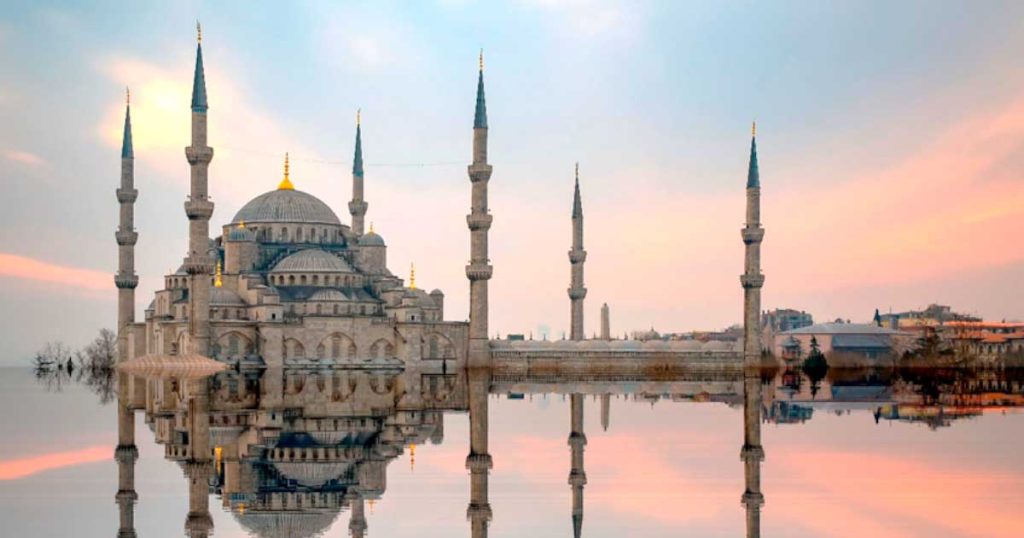
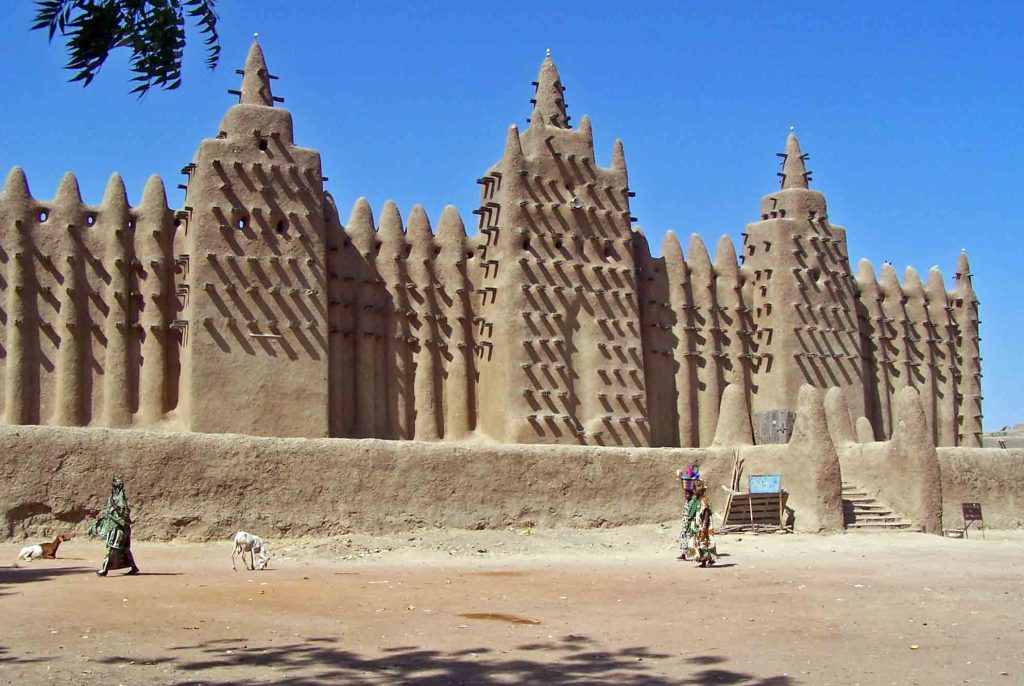
This book contains a collection of articles on mosques in different regions. The book is divided into three parts and has a beautiful design. The first part includes an introduction to Islam and mosques. The second part, which is the essence of the book, is about mosques in various regions around the world which varies in terms of their shapes, mihrab, minbar and dome. The final part discusses modern mosques and examines the current landscape;, it’s unfortunately too brief section and could have benefited from deeper exploration.
The quality of information in the book differs across articles and regions, reflecting the varying writing and depth of research of the contributors. Some authors offer balanced and thorough coverage of mosques within a region, while others focus mainly on well-known landmarks or present their insights from a colonial or outsider viewpoint. Despite the variations in writing and approach, the book remains a valuable resource, rich in architectural information and stunning visuals. I strongly recommend it to anyone interested in Islamic architecture, history, Islamic and culture.
Excerpts:
“From their beginnings the monotheistic religions were opposed to the use of buildings specially designed to house the faithful at prayer. Paradoxically, for the true believer, the very idea of such building hinted at a concession to human vanity and, worse, to man’s desire to introduce idolatrous worship of an object or edifice, rather than continue using the humble cave or shelter for communal prayer without distraction.” – Islam and the Form of Mosque, page 30
“Our knowledge of geometry as an independent discipline is more substantial, however, for Muslim viewed geometry as an important field of knowledge and continued the classical tradition of placing it at the same level as mathematics, astronomy, and music.” – Applications of Geometry, page 55
“The form of the earliest mosques did not have its origins either in the pre-Islamic Ka’ba at Mecca or in any specific building known to us. It is also still a debatable question as to whether there was any codified prayer system before the Medina period, i.e. before AD 622.”- The Central Arab Lands, page 77
“Just as religious feelings and emotions vary from one individual to another, the contemporary religious experience begins, in part at least, with attitudes different from those of centuries past. Religious behaviour is, however, almost by definition, tied to traditions hallowed for centuries, because the techniques for handling queries and issues are part and parcel of a long-established inheritance and because the pattern of behaviour required of those who profess a given faith has become established and sanctified by time.” – The Mosque in Islamic Society Today, page 242
“Since most countries of the Islamic world have achieved independence only since the late 1940s as a result of rapidly changing conditions, traditional regional mosque design has been subjected to the influence of internationalism and modernism.” – An Overview of Contemporary Mosques, page 247
This book is available at the Perdana Library. If you are interested in reading or borrowing the book, please visit our Library in Putrajaya, or contact us at 03-8885 8961 (Library Counter)
